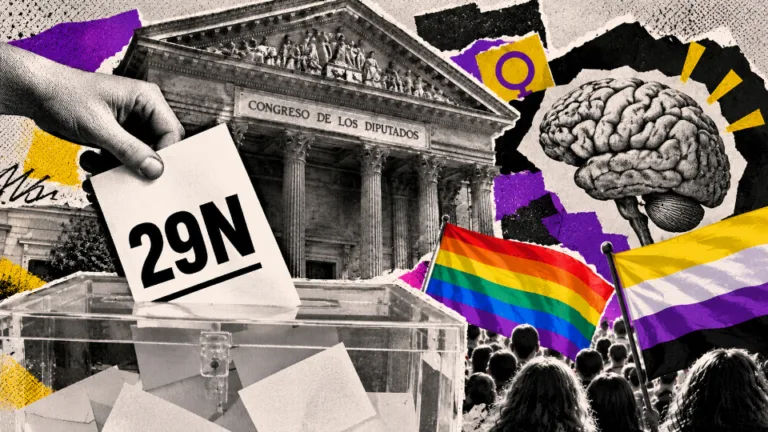
The dissolution of Parliament on November 29th means the law that was going to punish conversion therapies with jail time will lapse.
The calling of the general elections on November 29th has left several legislative initiatives related to LGBTQ+ rights in limbo . The dissolution of the Spanish Parliament interrupts the processing of laws that sought to strengthen protections against conversion therapies and broaden the recognition of non-binary and intersex people. Their future will depend on the parliamentary majorities that emerge from the elections and the political will to revive these projects.
One of the affected initiatives is the reform of the Penal Code to punish conversion therapies with sentences of up to four years in prison. The proposed organic law received the backing of the Congress of Deputies in June, with 179 votes in favor, 32 against, and 137 abstentions. However, the calling of elections prevents it from reaching the Senate, where it was to continue its legislative process.
Currently, state legislation from 2023 considers these practices an administrative offense, but not a criminal one. Therefore, the reform aimed to establish criminal consequences for those who subject others to these procedures and for those who refer them to them. With the snap election, this protection is now pending, and the initiative will have to be reintroduced if the new Parliament decides to revive it.
Start again
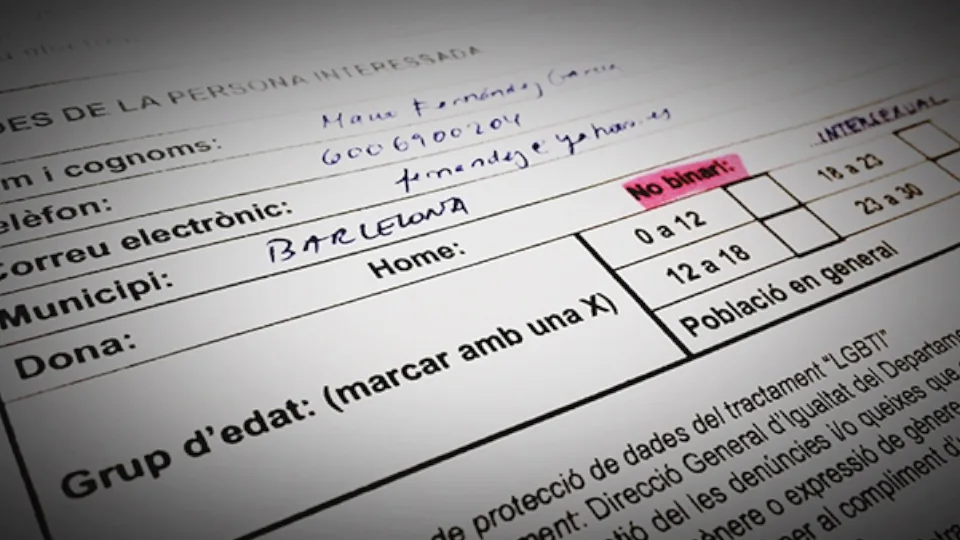 The proposed law on the rights of non-binary and intersex people, registered in April 2025 by Kaleidos y Non-Binary Spain, with the support of SummerThe text proposed incorporating a third box at the Civil Registry, to guarantee comprehensive healthcare for intersex people and to end corrective genital modifications.
The legislative uncertainty coincides with warnings from the State Federation of LGBTI+ organizations about the future of equality. Its president, Paula Iglesias, has called for the protection of rights in the lead-up to the elections and has advocated for policies committed to the citizens. "Our rights are not negotiable ," she stated.
The FELGTBI+ ( State Federation of Lesbians, Gays, Transsexuals, and Bisexuals) is calling for a " Pride Vote " and urging the next government to revive lapsed diversity laws. Iglesias has warned that several legislative initiatives will be left pending for the next legislature after the elections. These include the State Pact against hate speech towards vulnerable groups, the law to penalize conversion therapies, the implementation of the Digital Services Act (DSA), the Family Law, and regulations to protect minors from the risks of the digital environment. Iglesias stated this Monday that all these measures "remain pending for the new legislature . "
The outcome of the November 29th election will be crucial in determining whether these initiatives return to the parliamentary agenda. The dissolution of Parliament does not prevent them from being reintroduced, but it does require restarting the process and negotiating the necessary support. If the new majorities do not push them through, the reforms could be postponed indefinitely, while the demands for protection from those affected remain unresolved.