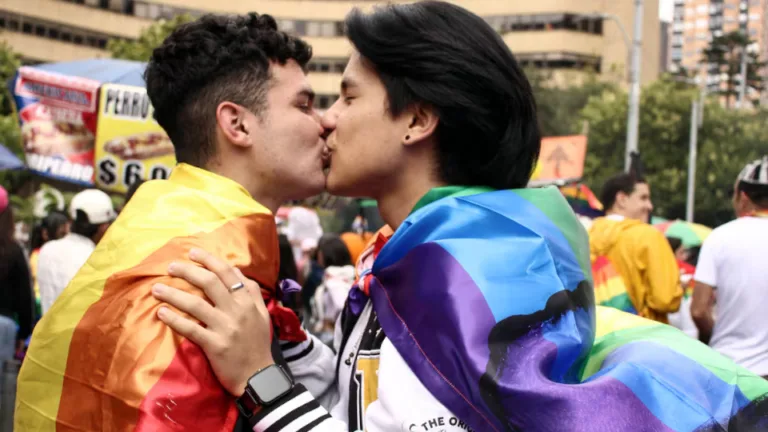
The decision by the new Colombian government takes immediate effect and ends the co-presidency that the country shared with Spain
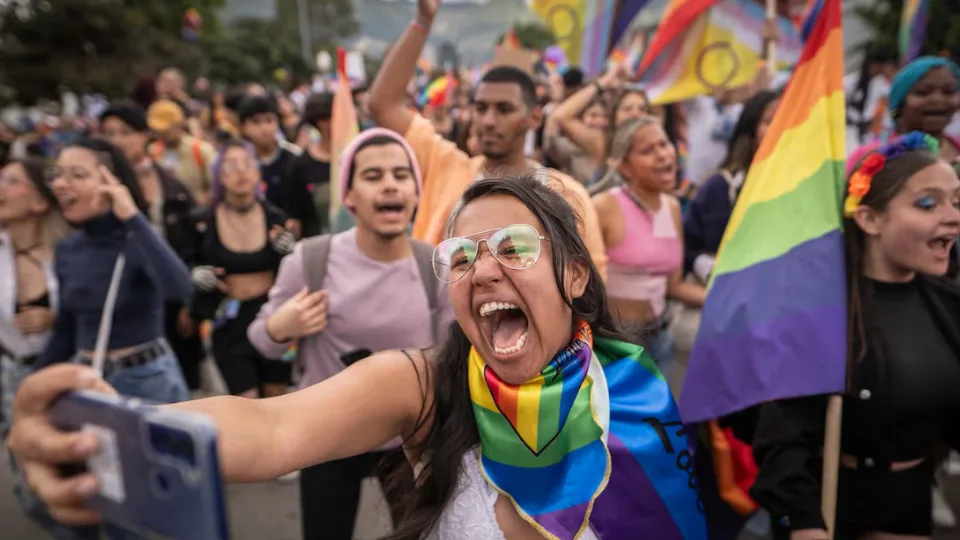
The Colombian government has decided to withdraw the country from the Equal Rights Coalition, an international alliance of 43 countries and civil society organizations that promotes and protects the rights of LGBTQ+ people . The withdrawal is effective immediately and prematurely ends Colombia's co-presidency with Spain, which was to take place between 2025 and 2027.
The decision was communicated by the Colombian Foreign Ministry in a letter that did not detail the reasons for the withdrawal. The document did thank Spain for the “ joint work ” carried out in recent months. According to sources within the coalition itself, cited by El País, the government later explained that being part of this organization “ is not a priority ” for the new administration and that it was an initiative linked to the previous government of Gustavo Petro.
The coalition is working on issues such as the decriminalization of homosexuality, diplomatic coordination to advance LGBTQ+ rights , and the protection of LGBTQ+ individuals in contexts of war or disaster. With Colombia 's withdrawal , Spain remains as the sole co-chair for the planned period.
Conservative shift
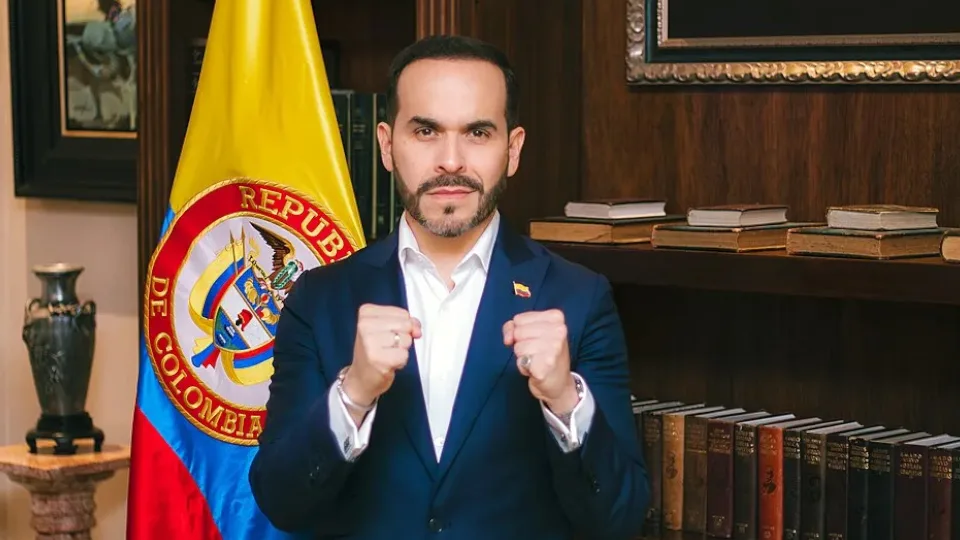 The move comes shortly after the arrival to the Presidency of Abelardo de la Espriellawho during the campaign defended positions contrary to equal marriage and the adoption by same-sex couples. The new president has also used the concept of “gender ideology"and has defended a family model based on a father and a mother."
The government, for its part, maintains that withdrawing from the coalition does not diminish the rights recognized within Colombia. The country's legislation and jurisprudence uphold, among other things, the recognition of same-sex marriage and adoption by same-sex couples. The withdrawal, therefore, affects the State's international standing and its participation in this cooperation mechanism.
The decision also represents a change from the role Colombia had assumed in recent years regarding LGBTQ+ rights and comes in a context of a conservative shift by the new government.