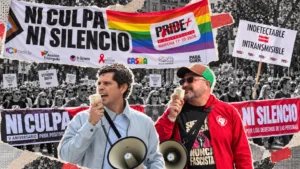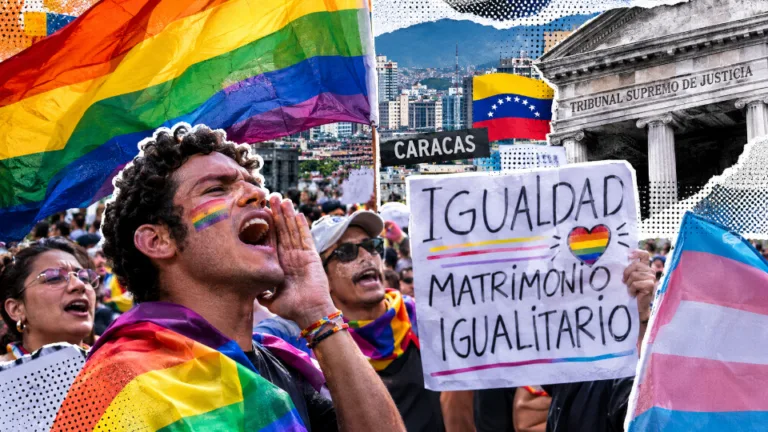
The mobilization combined the group's historical demands with a gesture of solidarity towards the victims of the earthquake.
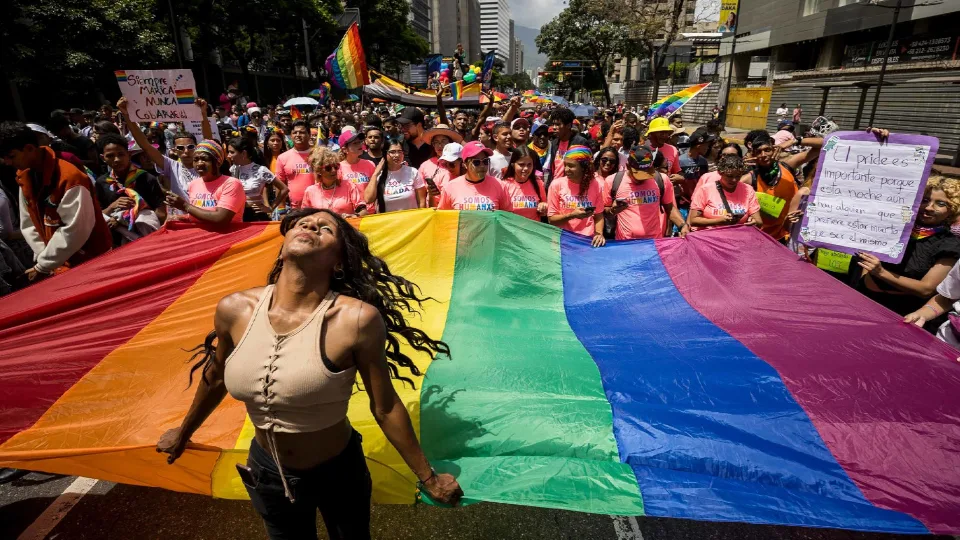
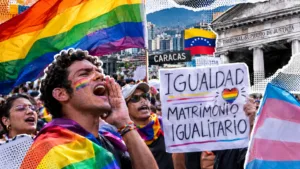
Hundreds of LGBTQ+ people and human rights activists demonstrated on Saturday, October 31, in Caracas, Venezuela, to demand legal recognition of their rights, including marriage equality, protection for same-sex parent families, and sanctions against discrimination based on sexual orientation and gender identity. The demonstration, held in the Chacaíto district and postponed from June due to the earthquakes that struck the country, also aimed to express solidarity with those affected by the disaster.
Outstanding rights
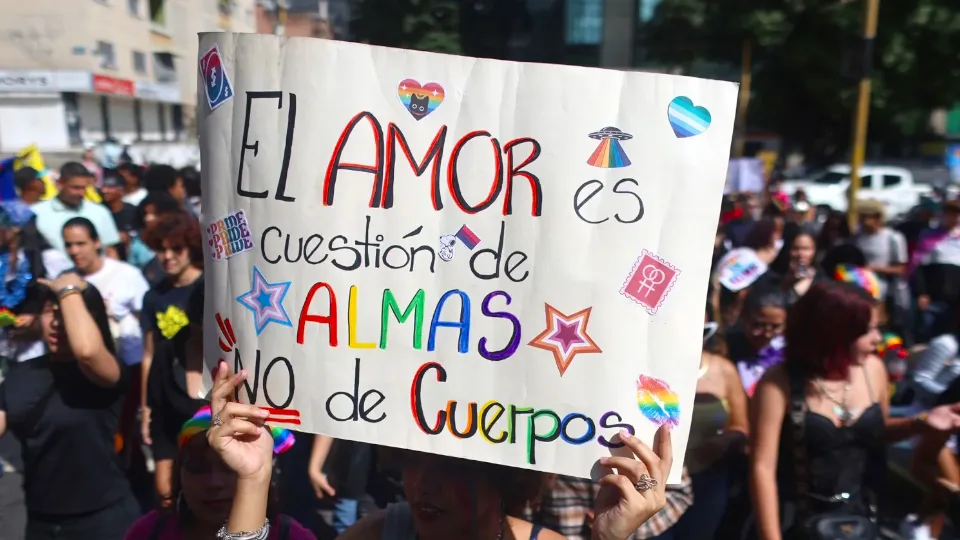 The protest brought the issue back to the forefront historical claims of a group that continues to lack fundamental legal guarantees in VenezuelaAmong their demands is also an end to the criminalization of military personnel and members of the Armed Forces for their sexual orientation.
Richell Briceño, a lawyer and activist, explained that the demonstration had a dual purpose: to support the victims of the earthquakes and to keep LGBTQ+ demands visible . The demonstration was initially planned for June, but was postponed due to the double earthquake that particularly affected the coastal state of La Guaira.
Days before the march, representatives of the LGBTQ+ community went to the Supreme Court of Justice (TSJ) to demand rulings on legal proceedings related to their rights that have been pending for over a decade. This initiative came after acting president Delcy Rodríguez requested a ruling on LGBTQ+ rights from the Constitutional Chamber in May.
Without legal equality
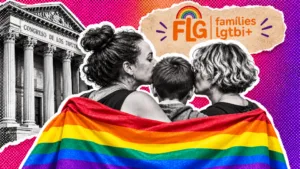
The situation of LGBTQ+ people in Venezuela continues to be marked by significant inequalities. Same-sex couples cannot marry, transgender people cannot legally change their name to reflect their gender identity, and gay men are prohibited from donating blood.
During the protest, 20-year-old activist Paola Berra denounced the country's backwardness in human rights and described Venezuelan society as " quite homophobic ." For his part, Bruno Gallo, the Ombudsman's delegate for Caracas, acknowledged that the country has a debt to diverse people and defended the need to expand their rights.
The mobilization once again demonstrates that, despite years of demands, legal equality and effective protection remain pending issues for the Venezuelan LGBTIQ+ community.